
Many parents quietly worry about one thing.
“My child is not eating properly.”
Some children skip meals.
Some refuse vegetables.
Some ask for snacks all day.
And some seem full after just a few bites.
At first, it feels like a small issue.
But over time, it becomes stressful.
Parents try to explain.
Sometimes they insist.
Sometimes they give up.
And slowly, food becomes a struggle instead of comfort.
But most of the time, this is not about the child being “difficult.”
It is about patterns.
And patterns can be gently improved.
Eating Habits Start Earlier Than We Think
Children do not suddenly develop eating habits.
They learn them slowly.
From what they see.
From what is available at home.
From how meals are served.
From how adults behave around food.
If meals are rushed, children feel it.
If screens are always on during eating, children get distracted.
If snacks replace proper meals, appetite changes.
Children do not need perfect meals.
They need consistent and calm routines.
Why Children Refuse Healthy Food
Many parents feel confused when a child refuses healthy food.
But there are simple reasons behind it.
Too many processed snacks reduce natural hunger.
Irregular meal times confuse the body.
Pressure during meals creates resistance.
Large portions feel overwhelming.
Children are sensitive.
If food becomes a source of pressure, they start avoiding it.
But when food feels safe and relaxed, they respond differently.
This is where patience becomes important.
Small Changes That Make a Big Difference
Improving a child’s eating habits does not require strict rules.
It starts with small, steady changes.
Serve meals at regular times.
Offer simple home-cooked food.
Reduce packaged snacks slowly.
Keep portions small and manageable.
Allow the child to eat at their own pace.
Children do not change in one day.
But they do respond to consistency.
Even simple nutrition habits for beginners to stay energetic can support long-term health for the whole family.
The Emotional Side of Eating
Food is not only physical.
It is also emotional.
Children notice tone, environment, and reactions.
If mealtime feels stressful, they disconnect.
If they are forced to eat, they resist.
If they feel relaxed and included, they engage more.
Simple things help:
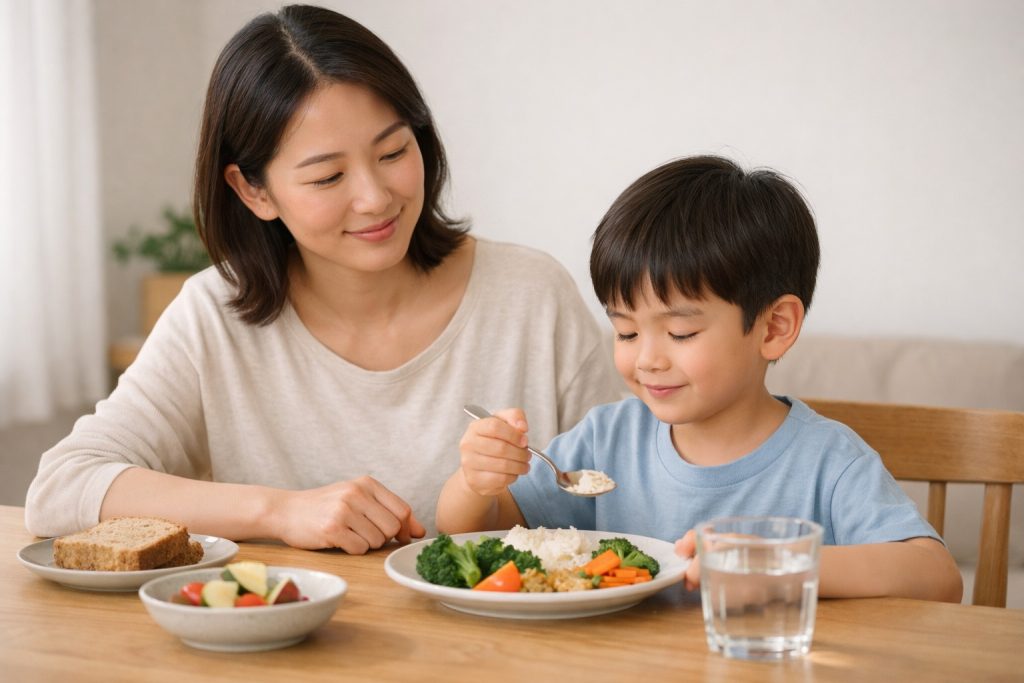
Sit together during meals.
Avoid distractions.
Keep the atmosphere calm.
Do not rush or pressure.
Children learn best in safe environments.
What Parents Can Focus On
When I speak with people about their health, many parents say:
“I just want my child to eat properly.”
The goal is not perfection.
The goal is balance.
Focus on routine, not control.
Focus on guidance, not pressure.
Focus on patience, not quick results.
Children slowly build habits that stay with them into adulthood.
What feels small today becomes important tomorrow.
When You Need Guidance
Sometimes, despite your efforts, things still feel confusing.
You may try different approaches, but nothing seems to work.
That is completely normal.
Every child is different.
And sometimes a little guidance can make things much easier.
As a health and wellness coach, I help individuals and families understand simple, practical ways to improve daily habits, including eating patterns in children.
If you feel concerned about your child’s eating habits, you don’t have to figure it out alone.
A calm, structured approach can make a meaningful difference.
You can reach out for guidance and take the first step toward building healthier habits for your child.
Written by Shamim Akhtar
Certified Health & Wellness Coach
Public Health Nutrition & Lifestyle Medicine Professional