Have you ever been sleeping peacefully when a sudden, painful tightening in your leg wakes you up? Or felt a muscle pull unexpectedly while stretching, walking, or doing an everyday task?
Muscle cramps can be uncomfortable and sometimes catch you completely off guard. They happen when a muscle tightens suddenly and you cannot relax it straight away.
If you often wonder, “Why do I get muscle cramps?”, the answer is not always the same for everyone. Your daily activities, hydration, muscle use, and overall health may all play a role.
Why Do I Get Muscle Cramps?
Muscle cramps can happen for several reasons. Sometimes they occur after physical activity, prolonged sitting, or using a muscle more than usual. They may also happen during the night, even when you have not done anything particularly strenuous that day.
Not drinking enough fluids may contribute to cramps in some situations, particularly when you have been sweating a lot. Certain medicines and some health conditions can also be associated with muscle cramps.
However, a cramp does not automatically mean you have a vitamin or mineral deficiency. It is better to notice when the cramps occur, how often they happen, and whether anything else has changed in your routine.
If you are often thirsty or forget to drink water throughout the day, you may also find our article on Why Am I Always Thirsty? helpful.
When and Where Do Muscle Cramps Happen?
The pattern of your cramps can offer useful clues about what is happening.
Muscle cramps in the legs: Leg cramps may occur after walking, exercise, prolonged sitting, or sometimes without an obvious trigger. Notice whether they happen after a particularly active day or after remaining in one position for a long time.
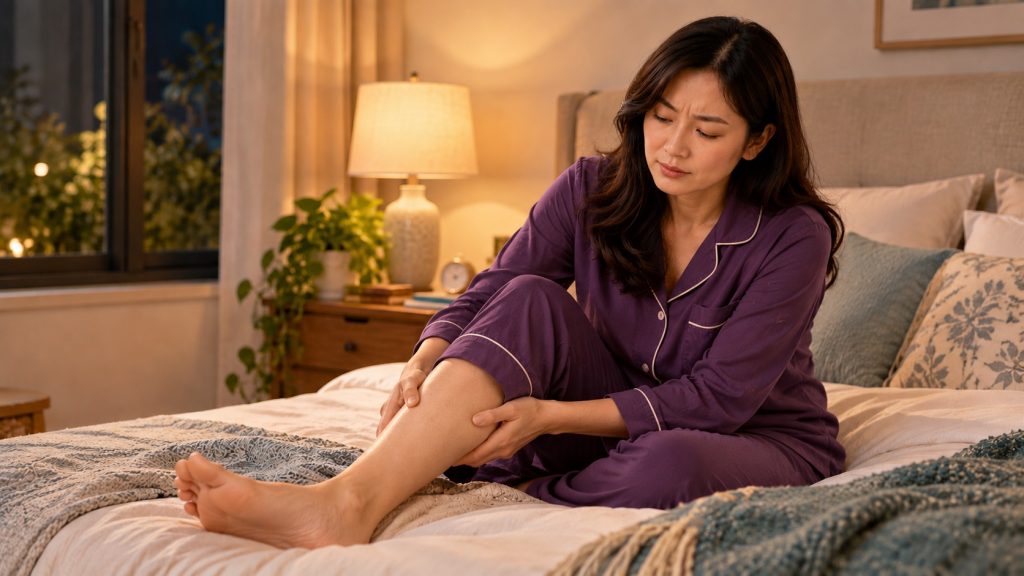
Muscle cramps at night: Nighttime cramps can interrupt sleep and leave a muscle feeling sore afterwards. They can happen even when your day has been fairly ordinary. If cramps repeatedly disturb your sleep, pay attention to how often they occur and whether anything else has changed.
You can also read Why Do I Keep Waking Up at Night? for more information about interrupted sleep.
Muscle cramps when stretching: Sometimes a muscle cramps during a stretch or when you suddenly change position. Avoid forcing a stretch, especially if the muscle already feels tight or painful. Gentle, comfortable movements are a better choice.
Muscle cramps all over the body: Cramps in several areas may have different possible explanations from an occasional leg cramp. If they are frequent, widespread, severe, or new for you, discuss them with a healthcare professional rather than trying to guess the cause.
Simple Habits That May Help You Avoid Muscle Cramps
You cannot prevent every cramp, but a few everyday habits may help support muscle comfort.
Drink water regularly. Keep water nearby and drink throughout the day, especially when the weather is hot or you are physically active. Your needs may vary depending on your activity and health.
Move regularly. If you spend long periods sitting, take occasional breaks to stand up and walk around comfortably. Gentle movement can help you avoid remaining in one position for too long.
Stretch gently. Try comfortable, gentle stretches rather than sudden or forceful movements. Stop if a movement causes significant pain.
Notice your patterns. Keep track of when cramps occur, which muscles are affected, and whether they follow exercise, long periods of sitting, or changes in your routine. This information may help you recognise patterns and explain them more clearly to a healthcare professional.
If a cramp occurs, stop the activity and gently stretch the affected muscle if you can do so comfortably. Avoid forcing the movement or continuing through severe pain.
You do not need to change everything at once. Start with small, manageable habits and pay attention to how your body responds.
When Should You Pay More Attention to Muscle Cramps?
Occasional muscle cramps are common, but frequent, persistent, worsening, or unusually painful cramps deserve attention, particularly if they interfere with sleep or daily activities.
Seek prompt medical assessment if cramps occur with muscle weakness, severe pain, or swelling, redness, or warmth in one leg. These symptoms should not simply be assumed to be an ordinary cramp.
If your cramps begin after starting a new medicine or changing a dose, discuss this with your healthcare professional. Do not stop a prescribed medicine on your own.
As a Health & Wellness Coach, I can help you look at nutrition, hydration, stress, sleep, movement, and daily routines in a practical way and support you in building healthier habits.
Many people know what they should be doing for their health, but knowing is not always the same as doing. A personalized lifestyle assessment can help you understand your current habits, identify areas that may need attention, and turn that understanding into realistic, sustainable action.
You do not need to wait for a diagnosis to start taking better care of your daily health. Small changes can be a meaningful place to begin.
Coaching does not diagnose or treat medical conditions, but it can support positive lifestyle changes alongside appropriate healthcare when needed.
Frequently Asked Questions ❓
Why do I get muscle cramps so often?
Frequent cramps may be associated with muscle use, hydration, certain medicines, or underlying health conditions. If they keep returning, it is worth discussing them with a healthcare professional.
Why do I get muscle cramps in my legs at night?
Nighttime leg cramps can occur even after an ordinary day. If they repeatedly disturb your sleep, keep track of their frequency and discuss them with a healthcare professional.
How can I avoid muscle cramps?
Regular hydration, gentle movement, comfortable stretching, and noticing your personal triggers may help. These habits cannot prevent every cramp.
Why do I get muscle cramps all over my body?
Widespread cramps can have several possible causes. If they are severe, frequent, new, or accompanied by other unusual symptoms, seek advice from a healthcare professional.
Written by: Shamim Akhtar
Certified Health & Wellness Coach
Public Health Nutrition & Lifestyle Medicine Professional.